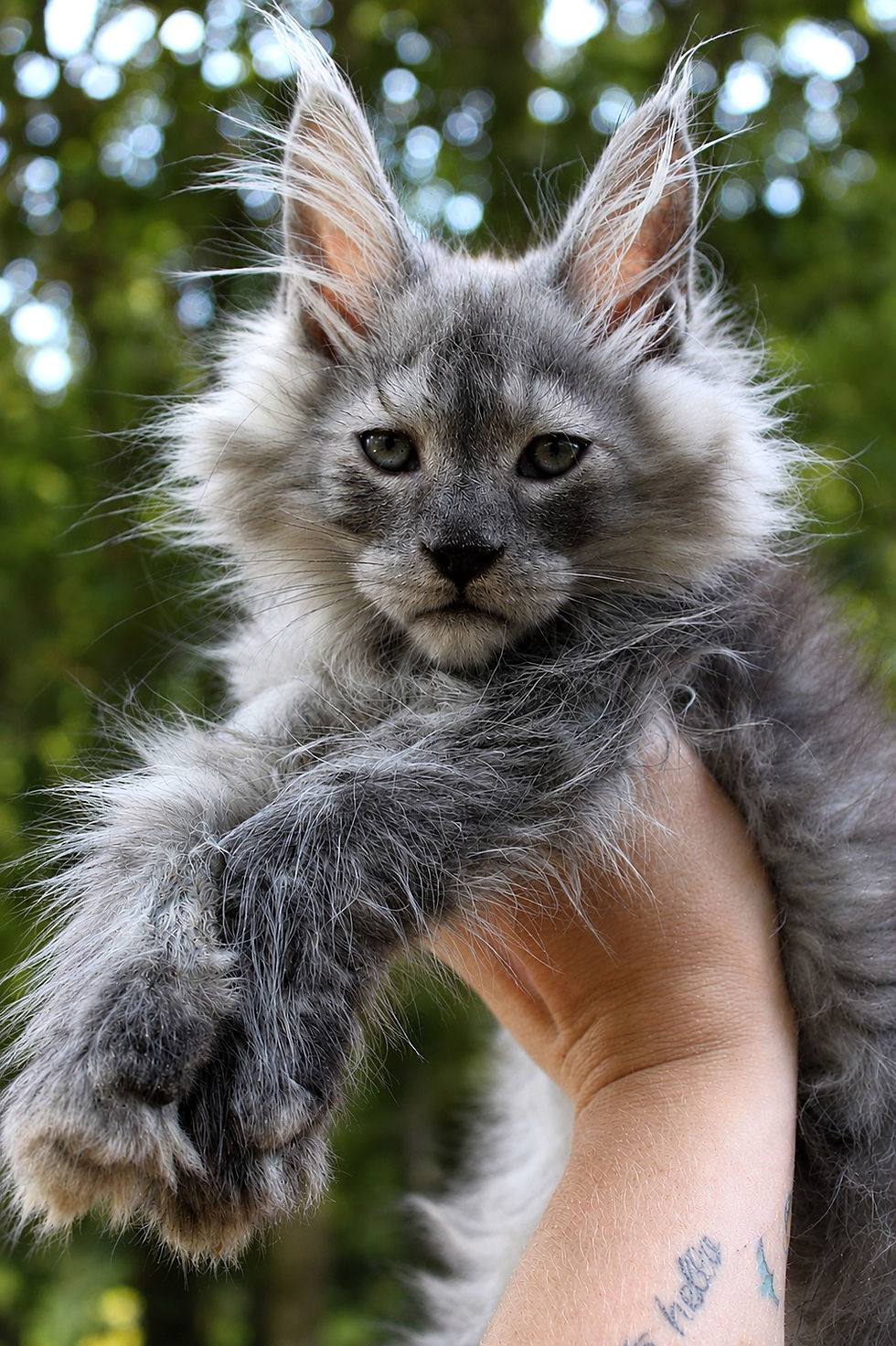


Bringing Home a Maine Coon Kitten: Complete New Owner Guide

Bringing home a Maine Coon kitten is an exciting experience, but it is also a major transition for your new kitten. After leaving their mother, littermates, breeder, and familiar surroundings, your Maine Coon is entering an entirely new environment.
The first few days and weeks can make a big difference in helping your kitten feel safe, confident, and comfortable in their new home.
Whether this is your first Maine Coon or you are an experienced cat owner, knowing what to expect can make the transition easier for everyone.
At Elara Eclipse Maine Coon Cattery, we believe new owners should feel prepared before their kitten comes home. This guide explains what to do before bringing home your Maine Coon kitten, what to expect during the first few days, and how to help your kitten become a confident member of your family.
What Should You Do Before Bringing Home a Maine Coon Kitten?
The best time to prepare for your Maine Coon kitten is before pickup day.
Having everything ready allows you to focus on your kitten instead of making last-minute shopping trips.
Maine Coon kitten essentials include:
High-quality kitten food
Food and water bowls
Litter boxes
Appropriate kitten-safe litter
A secure cat carrier
Comfortable bedding
Scratching posts
Interactive toys
Age-appropriate toys
Grooming brushes and combs
Nail clippers
A sturdy cat tree
Safe hiding spaces
Kitten-proofed areas
Remember that Maine Coons are a large breed. Your tiny kitten will eventually become a very large adult cat, so choose sturdy products that can accommodate their future size.
A carrier that fits a small kitten today may not be appropriate for a fully grown Maine Coon later.
Should a Maine Coon Kitten Have a Safe Room?
For many kittens, starting with a quiet, safe room is an excellent way to make the transition less overwhelming.
Rather than immediately giving your kitten access to the entire house, create a comfortable space where they can learn their new surroundings gradually.
Your kitten's safe room should include:
Food
Fresh water
Litter box
Bed
Toys
Scratching surface
Safe hiding area
Once your kitten becomes comfortable, you can gradually allow them to explore additional areas of the home.
Some Maine Coon kittens will confidently walk out of their carrier and immediately investigate everything. Others may hide, observe, and take several days to become comfortable.
Both can be normal.
Let your kitten set the pace.
How Long Does It Take a Maine Coon Kitten to Adjust to a New Home?
There is no exact adjustment period because every kitten has a different personality.
Some Maine Coon kittens settle in within hours. Others need several days or weeks before they feel completely comfortable.
A helpful guideline for new pet owners is the 3-3-3 rule:
First 3 days: Your kitten may be decompressing and learning that their new environment is safe.
First 3 weeks: Your kitten is learning your household routine, developing habits, and becoming more comfortable with family members.
First 3 months: Your kitten is becoming fully established in your home and developing a deeper bond with your family.
These are guidelines, not deadlines.
Never feel like your kitten is “behind” if they need more time.
What Should I Expect During the First Day With My Maine Coon Kitten?
Your kitten may behave differently during their first day home than they did at the breeder's home.
They may:
Hide
Sleep more than usual
Explore cautiously
Meow
Stay close to you
Investigate everything immediately
Eat less temporarily because of stress
Look for familiar smells
Want reassurance and attention
Your kitten has just experienced a major change.
The best thing you can provide is patience, quiet, and consistency.
Avoid overwhelming your kitten with too many people, too much handling, or too much stimulation immediately.
Give them time to understand that this is their new home.
Should You Change Your Maine Coon Kitten's Food?
Ideally, keep your kitten's food consistent when they first come home.
Changing food, moving to a new home, meeting new people, and adjusting to a new routine can all be stressful enough on their own.
A sudden food change can also cause digestive upset.
If you eventually want to change your Maine Coon kitten's diet, transition gradually over several days rather than changing foods overnight.
Your breeder should provide information about what your kitten has been eating so you can continue that routine at home.
How Do You Litter Train a Maine Coon Kitten?
Maine Coon kittens are intelligent and typically learn litter box routines well when they have easy access to an appropriate litter box.
When your kitten comes home:
Keep the litter box easy to find.
Use a familiar litter when possible.
Keep the box clean.
Avoid placing it directly beside food and water.
Provide additional litter boxes throughout a larger home.
A common recommendation for multi-cat households is to provide one litter box per cat plus one additional box.
Because Maine Coons grow into large cats, make sure their litter boxes are large enough for their adult bodies.
A litter box that is comfortable for a 4-pound kitten may eventually be far too small for a 15-, 18-, or 20-pound Maine Coon.
How Do You Introduce a Maine Coon Kitten to Children?
Children are often extremely excited when a new kitten arrives.
However, your kitten may need quiet time before being introduced to everyone.
Teach children to:
Sit calmly around the kitten.
Allow the kitten to approach them.
Use gentle hands.
Never chase the kitten.
Avoid pulling tails, ears, or fur.
Never disturb the kitten while sleeping.
Respect the kitten's safe space.
Ask an adult before picking up the kitten.
Supervised, positive interactions help kittens learn that children are safe and predictable.
How Do You Introduce a Maine Coon Kitten to Other Pets?
Introducing your Maine Coon kitten to another cat or dog should be done gradually.
Do not assume that your existing pet will immediately accept a new kitten.
Start by allowing the animals to become familiar with one another's scent. Gradually progress to visual introductions and then supervised interactions.
Keep initial interactions short and positive.
Give your existing pets plenty of attention during the transition so they do not associate the kitten with losing their place in the family.
With patience and proper introductions, many Maine Coon kittens can become wonderful companions to other cats and cat-friendly dogs.
What Kind of Enrichment Does a Maine Coon Kitten Need?
Maine Coon cats are known for being intelligent, curious, and playful.
Your kitten needs more than food, water, and a litter box.
Provide opportunities for:
Interactive play
Climbing
Scratching
Exploring
Chasing
Pouncing
Problem-solving
Mental stimulation
A sturdy cat tree is especially useful for Maine Coons because they enjoy climbing and observing their surroundings from elevated areas.
Puzzle feeders and interactive toys can also provide valuable mental enrichment.
Daily playtime is another excellent way to strengthen your bond with your kitten.
When Should You Start Grooming Your Maine Coon Kitten?
Start grooming early.
Maine Coons are known for their long, luxurious coats, and grooming should become a normal part of their routine from kittenhood.
Introduce your kitten gradually to:
Brushing
Combing
Nail trimming
Paw handling
Ear checks
Gentle body handling
Keep grooming sessions short at first and reward your kitten for remaining calm.
The goal is to teach your Maine Coon that grooming is a normal, safe experience.
Establishing this routine while your kitten is young can make maintaining their adult coat much easier.
When Should a Maine Coon Kitten See a Veterinarian?
Your kitten should leave their breeder with appropriate veterinary records and information about their vaccinations and preventative care.
After bringing your Maine Coon home, follow your breeder's recommendations and establish care with your own veterinarian.
Your veterinarian can help create an ongoing healthcare plan that may include:
Wellness examinations
Vaccinations
Parasite prevention
Nutrition
Dental care
Spay/neuter care
Weight monitoring
Preventative healthcare
Keeping your kitten's veterinary records organized is important throughout their life.
How Do You Help a Maine Coon Kitten Bond With You?
Building a relationship with your Maine Coon begins with consistency and trust.
Spend time with your kitten every day through:
Interactive play
Gentle handling
Grooming
Feeding
Talking
Quiet companionship
Positive reinforcement
Don't force affection.
Some kittens immediately want to be held and cuddled. Others prefer to sit beside you while they get comfortable.
Respecting your kitten's boundaries helps build trust.
Over time, your kitten learns that you are their safe person.
What If My Maine Coon Kitten Hides?
Don't panic if your kitten hides after coming home.
Hiding can be a normal response to an unfamiliar environment.
Instead of pulling your kitten out of their hiding place, provide a safe environment and allow them to come out on their own.
Sit nearby and talk quietly.
You can offer a toy or small amount of food, but don't force interaction.
As your kitten becomes more comfortable, they will usually begin exploring on their own.
Don't Expect Your Maine Coon Kitten to Be Perfect
Your Maine Coon is still a baby.
They are learning how the world works.
They may scratch something they shouldn't, knock things over, climb onto furniture, attack your shoelaces, or wake you up when you would rather be sleeping.
This is normal kitten behavior.
Instead of punishing unwanted behavior, redirect your kitten toward an appropriate activity.
Provide scratching posts instead of punishing scratching.
Provide toys instead of allowing hands and feet to become toys.
Provide climbing areas instead of expecting a naturally curious Maine Coon to stay on the floor.
Consistency and positive reinforcement are much more effective than punishment.
How Does a Maine Coon Kitten's Personality Develop?
One of the most exciting parts of raising a Maine Coon is watching their personality develop.
A kitten's personality is influenced by genetics, early socialization, environment, experiences, and their individual temperament.
As your kitten becomes comfortable in your home, you may discover that they are:
Extremely affectionate
Playful and energetic
Calm and relaxed
Curious and adventurous
Independent but social
Very people-oriented
A constant companion who follows you everywhere
There is no single personality that makes a “perfect” Maine Coon.
The right Maine Coon is the kitten whose temperament fits your family and lifestyle.
How Long Does It Take to Bond With a Maine Coon Kitten?
Some families feel an immediate connection with their kitten.
For others, the bond develops gradually.
Both are completely normal.
Your kitten is learning your voice, your routines, your habits, and your personality.
Every feeding, play session, grooming session, cuddle, and quiet moment helps build trust.
Over time, your Maine Coon will become familiar with your household and begin developing their own routines.
Before long, you may find yourself wondering how your home ever felt complete without them.
Enjoy Your Maine Coon Kitten While They Are Small
Maine Coon kittens grow into large, magnificent cats, but they are only kittens for a short period of time.
Take the pictures.
Record the silly moments.
Watch them play.
Enjoy their tiny paws, oversized ears, fluffy tails, and developing personalities.
Maine Coons are a slow-maturing breed, and you will have years to watch your kitten grow into adulthood. But the tiny kitten stage passes quickly.
Enjoy every moment.
Bringing Home a Maine Coon Kitten: Final Thoughts
Bringing home a Maine Coon kitten is the beginning of a lifelong relationship.
The most important things you can give your new kitten are patience, consistency, proper nutrition, veterinary care, enrichment, socialization, and love.
Prepare your home before your kitten arrives.
Give them a safe place to decompress.
Keep their routine as consistent as possible.
Introduce family members and other pets gradually.
Start grooming early.
Provide plenty of mental and physical enrichment.
And most importantly, allow your Maine Coon's individual personality to develop naturally.
Your kitten doesn't need to be perfect.
They simply need time to learn that your home is their home, too.
At Elara Eclipse Maine Coon Cattery, we believe our responsibility doesn't end when a kitten leaves our home. We want every family to feel educated, prepared, and supported throughout their Maine Coon's life.
Because bringing home a Maine Coon isn't simply bringing home a pet.
You're welcoming a new member of your family. ❤️🐾
Frequently Asked Questions About Bringing Home a Maine Coon Kitten
How should I prepare my home for a Maine Coon kitten?
Prepare a quiet, kitten-safe area with food, water, litter, bedding, scratching surfaces, toys, and a safe place to hide. Gradually allow your kitten to explore the rest of the home as they become comfortable.
How long does a Maine Coon kitten take to settle in?
Every kitten is different. Some settle in within hours, while others need several days or weeks. Give your kitten time to adjust rather than expecting them to immediately feel comfortable.
Are Maine Coon kittens good family pets?
Maine Coons are generally known for being social, affectionate, intelligent, and people-oriented. Proper socialization and individual temperament are important factors when determining whether a particular kitten is a good match for a family.
Are Maine Coon kittens good with other pets?
Many Maine Coons can live successfully with other cats and cat-friendly dogs when introductions are gradual and properly managed. Each animal's temperament should be considered.
What should I feed my Maine Coon kitten?
Start with the food your kitten is already accustomed to and avoid sudden dietary changes. If you want to transition to a different food, do so gradually.
Do Maine Coon kittens need a lot of grooming?
Maine Coon kittens should begin learning grooming routines early. Regular brushing, combing, nail care, and gentle handling help prepare them for maintaining their long adult coat.
What is the 3-3-3 rule for a new Maine Coon kitten?
The 3-3-3 rule is a general adjustment guideline: approximately three days to decompress, three weeks to establish a routine, and three months to become fully settled. Every kitten is different, so these timeframes should not be treated as strict deadlines.
Continue exploring our Maine Coon education resources for information about Maine Coon temperament, kitten development, nutrition, grooming, health, socialization, and life with your Gentle Giant.